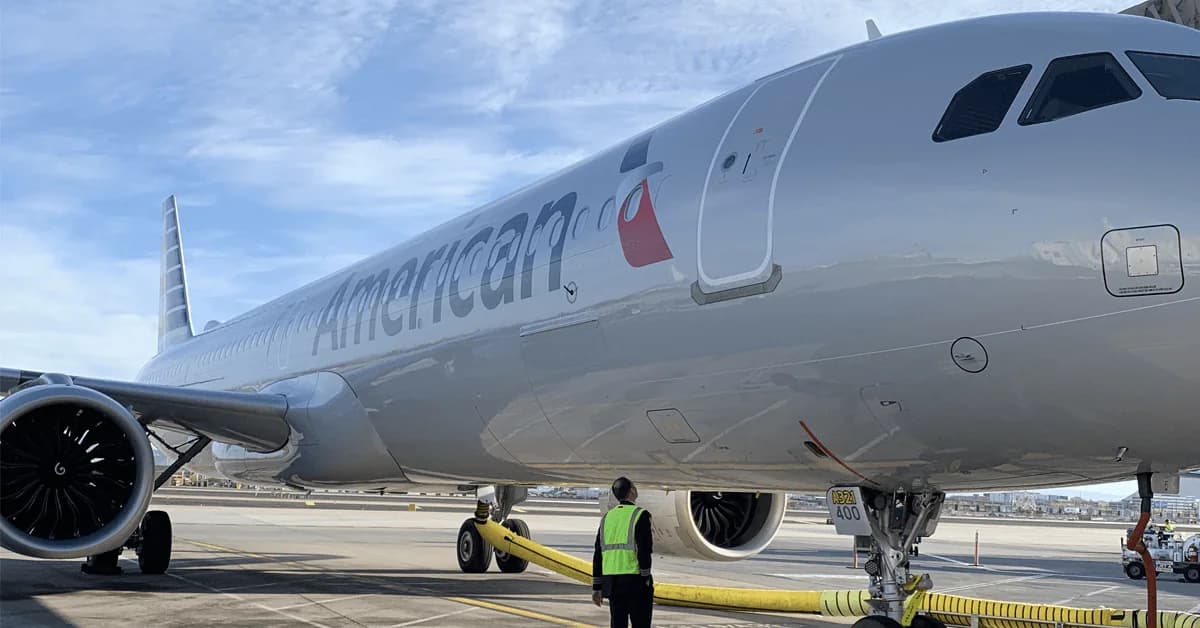
The American Airlines A321neo features a single-cabin 3-3 layout with both Economy and Premium Economy options. This narrow-body aircraft prioritizes capacity, making seat selection crucial for comfort. Our guide reveals the best seats and which rows to avoid.
TL;DR
The A321neo offers a standard 3-3 Economy cabin (30" pitch, 17.5 - 18.25" width) plus Premium Economy seating. Book row 27D for extra legroom at 43" pitch. Avoid rows 18 - 21 on the A-C side due to asymmetric MCE (Main Cabin Extra) layout that creates uneven spacing.
Premium Economy
American Airlines offers Premium Economy on the A321neo with enhanced comfort and amenities compared to standard Economy. These seats provide additional legroom and wider seat widths for a more comfortable flight experience on transcontinental and longer routes.
Economy Class
The A321neo Economy cabin utilizes a 3-3 seating arrangement with a standard pitch of 30 inches and seat widths ranging from 17.5 to 18.25 inches. This configuration maximizes capacity but requires strategic seat selection. Window and aisle seats are preferred for comfort, while middle seats should be avoided when possible. The cabin stretches across multiple rows, with variations in amenities and proximity to lavatories affecting passenger experience.
Best seats
Seat
Cabin
Why
27D
Economy
Extra legroom with 43" pitch, ideal for taller passengers
Premium Economy rows
Premium Economy
Enhanced comfort, more recline, and priority service
Seats to avoid
Seat
Cabin
Why
Rows 18 - 21 (A-C side)
Economy
Asymmetric MCE layout creates uneven spacing and configuration inconsistencies
Middle seats (any row)
Economy
Limited armrest access and confined space in 3-3 layout
Rear Economy rows
Economy
Proximity to lavatories causes odors and foot traffic disturbances
⚡ Power & Connectivity Reality Check
The A321neo is equipped with seat-back power outlets (110V) in premium cabins and USB-A/USB-C ports throughout most rows, though availability varies by cabin class - verify your specific seat on aa.com before booking. American's Viasat WiFi on this aircraft delivers 15-25 Mbps for streaming and video calls, a noticeable upgrade from older narrowbody aircraft, though peak hours during flight still see slowdowns. Seatback IFE is standard across all cabins with Bluetooth audio pairing capability, allowing you to use your own wireless headphones. For the best connectivity experience, sit within rows 8-22 where signal strength peaks; avoid the rear galley area where bandwidth degrades.
🧳 Overhead Bin Strategy
The A321neo has 16 overhead bins with approximately 2,432 cubic feet of total capacity - sufficient for a full flight, but bins fill predictably from rows 1-15 on domestic runs. Gate-checking becomes likely if you board after Group 4; Basic Economy passengers should assume they may need to check roller bags on full flights. Rows 8-12 are your sweet spot: early enough to board with Groups 1-2 (if you pay for priority) but not so premium that you're fighting crew movement. Store roller bags wheels-in and nested tightly; sideways placement wastes 30% more space and invites gate agents to compress your bag aggressively.
🏃 Boarding & Exit Strategy
American uses a traditional five-group system (First/Military, AAdvantage Platinum, Main Cabin Extra, Group 1-3, Basic Economy), with rows 1-10 typically deplaning first via the forward L1 door while rows 25+ exit via the rear L2 door - aim for rows 18-24 to avoid the bottleneck at both exits. For tight domestic connections with a 45-minute ground time, request an aisle seat in rows 8-15 to be among the third wave off the aircraft without fighting premium cabin crowds. The rear galley and lavatories slow deplaning from rows 28-32, making those seats a poor choice if you have a tight connection. Window seats in rows 12-18 offer the fastest exit path for most domestic scenarios when paired with deplaning efficiency.
📱 The Booking Intelligence
Seat selection opens 24 hours before departure for most fares; AAdvantage Platinum and above open at 72 hours; exit rows (12A, 12C, 13A, 13C, etc.) are withheld until 48 hours and occasionally held for elite members - don't count on securing them early. Premium Economy seats 1-6 rarely become available as upgrades or free seat selections; snag them within the first 6 hours of booking if your fare permits, or monitor upgrade lists within 24 hours of departure. Good standard economy seats (aisle, row 10-15, window for views) remain available 5-7 days pre-flight but vanish 3 days out on full flights. Practical hack: book the cheapest Basic Economy fare, select your seat immediately at purchase, then upgrade your ticket class later via phone - seat selection locks in and doesn't reset, saving you from mid-fare-class reshuffle.
FAQ
Does the A321neo have Business Class?
No, the American Airlines A321neo is configured as a single-cabin aircraft. There is no Business Class; Premium Economy and Economy are the available cabin options.
What is the seat pitch in Economy?
Economy seats on the A321neo have a standard pitch of 30 inches, which is typical for narrow-body domestic and transcontinental flights.
Why should I avoid rows 18 - 21?
Rows 18 - 21 on the A-C side feature an asymmetric MCE (Main Cabin Extra) layout, meaning the seating configuration differs from standard rows. This can result in uneven spacing and potential discomfort.
Is there extra legroom available?
Yes, row 27D offers extra legroom at 43 inches of pitch, significantly more than the standard 30-inch Economy pitch. Premium Economy rows also provide enhanced legroom.
Which seats have the most width?
Seats range from 17.5 to 18.25 inches in width. Window and aisle seats in Premium Economy offer the most comfortable width options, though standard Economy widths vary slightly by seat position.