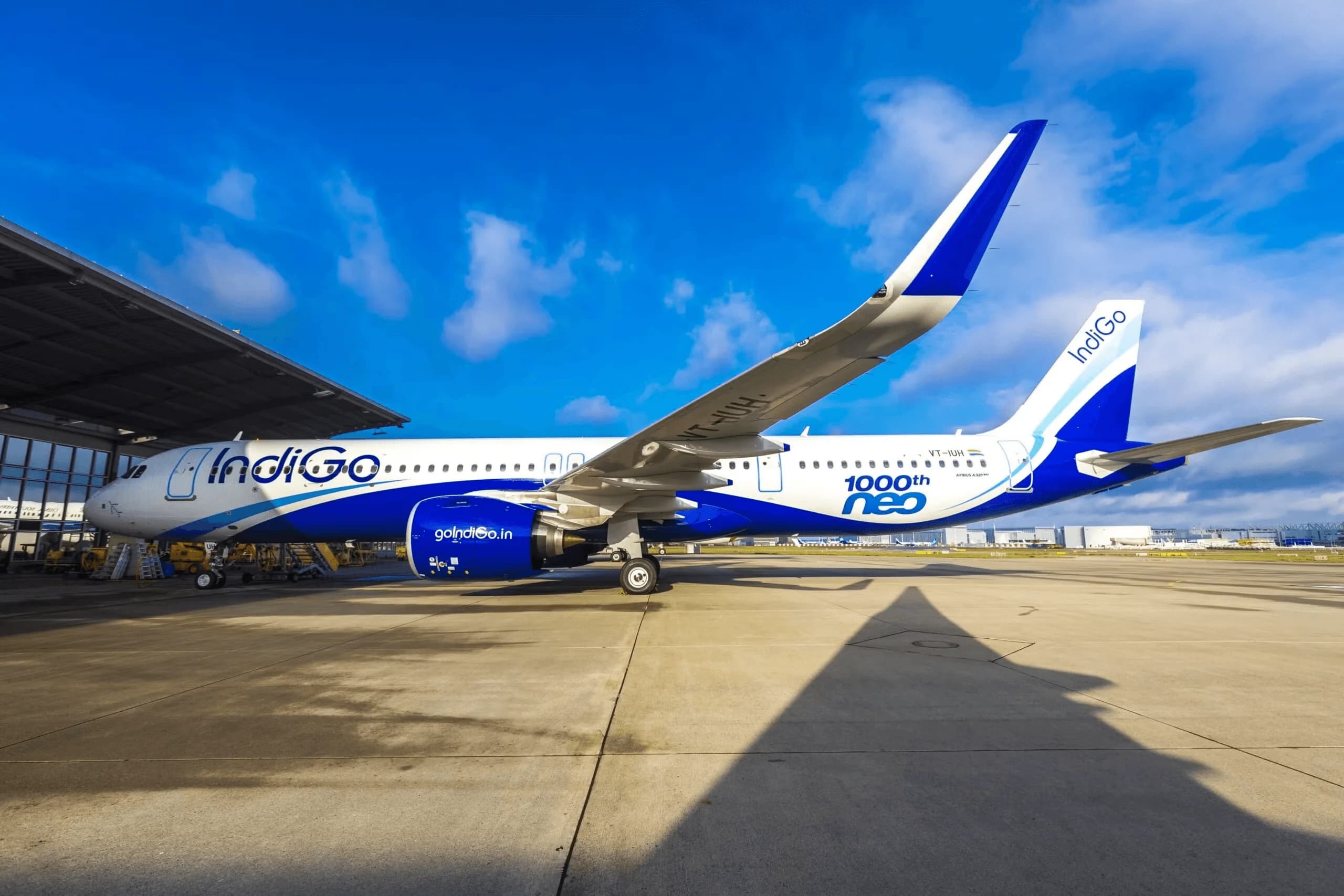
IndiGo operates the Airbus A321neo in multiple configurations, from high-density single-class layouts to the newer IndiGoStretch two-class cabin. Understanding the differences between configurations is essential for selecting the best seat for your journey.
TL;DR
IndiGo's A321neo features either single-class economy (3-3 layout) or IndiGoStretch with business and economy. Exit row seats offer superior legroom with 35" pitch. Avoid the last row on all configurations and rows immediately before exit rows due to reduced recline and limited space.
Business Class
IndiGoStretch features a 2-2 business class layout with 12 seats total. Business class offers 38" pitch, providing significantly more legroom than economy. Business seats are available only on the newer IndiGoStretch variant introduced in late 2024. This cabin class is ideal for passengers seeking premium comfort on IndiGo flights.
Economy Class
Economy class uses a 3-3 layout across all configurations. Pitch varies by configuration: Config A offers 30", Config B provides 28-29", and IndiGoStretch economy has 28.5". The airline operates in high-density mode, maximizing passenger capacity. Exit row seats in economy provide enhanced legroom and are highly sought after for long-haul flights.
Best seats
Seat
Cabin
Why
Row 18
Economy (IndiGoStretch)
Exit row with 35" pitch, maximum legroom in economy
Row 27
Economy (Config A)
Exit row provides enhanced space and comfort
Row 28
Economy (Config B)
Exit row with superior legroom compared to standard rows
Seats to avoid
Seat
Cabin
Why
Last row
Economy (All configs)
Reduced recline, galley noise, and limited personal space
Row before exit row
Economy (All configs)
Seat cannot recline fully due to emergency exit interference
💰 The True Cost Breakdown
IndiGo's seat selection fees on the A321neo range from ₹500 - ₹1,500 ($6 - $18 USD) depending on row location, with exit rows and front cabin seats commanding the highest premiums. Front rows (1 - 6) typically cost ₹1,200 - ₹1,500 per seat, while standard economy rows run ₹500 - ₹800, making the airline's ancillary strategy aggressive even by LCC standards. The business case for paying is weak on short domestic hauls under 2 hours; exit row seats are genuinely worth the extra cost only if you're 6'+ or have mobility concerns. A comparable one-way ticket on Air India or Vistara with free seat selection often costs only ₹500 - ₹1,000 more, eroding IndiGo's headline price advantage once fees are added.
📐 The Space Reality
Economy seats on the A321neo offer 31" pitch and 17.3" width - standard for modern narrow-body aircraft and identical to competitors like SpiceJet and Air Asia. The slimline shell seats feel noticeably firmer and more snug than legacy carriers' fabric offerings; your shoulders will touch the seat back if you recline, and the tray table is genuinely tight for a 15" laptop (13" models fit with centimeters to spare). Compared to Air India's 32" pitch on similar routes, IndiGo's 31" is measurably tighter, and there's no cushioning to absorb discomfort on flights longer than 3 hours. Exit row seats deliver a transformative 38 - 40" pitch that justifies the fee if legroom is a priority.
⚡ Power & Connectivity Reality Check
The A321neo has zero USB ports or power outlets in economy; your phone battery is your lifeline. IndiGo offers paid WiFi via Intelsat satellite, with real-world speeds averaging 2 - 4 Mbps - adequate for messaging but unusable for video or large downloads. Even purchasing WiFi is unreliable; many passengers report connection drops on routes under 2 hours, making the fee feel like a gamble. Bring a 10,000+ mAh power bank as standard; internal flights mean you'll land with your phone at 15 - 20% battery after streaming or heavy social media use.
🏃 Boarding & Exit Strategy
IndiGo boards in 4 - 5 waves (Preferred cabin first, then economy front-to-back in blocks of ~6 rows), with the full process taking 25 - 35 minutes on a full A321neo. Rows 1 - 12 deplane fastest when both front and rear doors are used simultaneously; rows 18 - 25 suffer the worst congestion as the rear door queue stacks up. For tight connections (under 90 minutes), rows 1 - 8 are critical - you'll often clear the jet bridge 2 - 3 minutes before row 18 passengers reach it. Avoid rows 22 - 28 if your next flight is within 2 hours; the rear door bottleneck can cost you 4 - 6 minutes of critical buffer time.
FAQ
What is IndiGoStretch?
IndiGoStretch is IndiGo's premium two-class configuration introduced in late 2024. It features 12 business class seats in a 2-2 layout with 38" pitch and economy class with 28.5" pitch. This configuration offers passengers the option to select premium seating with enhanced comfort.
Which configuration should I book?
If available on your flight, IndiGoStretch offers the best comfort with dedicated business class. For standard single-class flights, Config A (30" pitch) is preferable to Config B (28-29" pitch). Always select exit row seats in economy for maximum legroom.
Are exit row seats free?
Exit row seat availability and pricing vary by flight and booking class. Some routes offer them as complimentary upgrades, while others charge an additional fee. Check during seat selection or contact IndiGo directly for specific flight details.
Can I recline in the last row?
No, the last row on all A321neo configurations has restricted or no recline functionality. Seats immediately before exit rows also cannot recline fully due to emergency exit door placement. Avoid these rows for flights longer than a few hours.